 Call now
What is autism?
Autism spectrum disorder (ASD) is a developmental condition that affects how people learn, communicate, behave, and interact with others. It’s important to understand that everyone with ASD is unique, and their experiences may vary.

Autism spectrum disorder (ASD) is a developmental condition that affects how people learn, communicate, behave, and interact with others. It’s important to understand that everyone with ASD is unique, and their experiences may vary.
How to tell if your child might have autism
Autism spectrum disorder (ASD) can’t be identified through a blood test or medical scan. Instead, a licensed medical professional, like a psychologist or doctor, uses a detailed evaluation to understand your child’s development. They’ll look closely at areas such as:
Communication skills:
How your child expresses themselves and understands others, social skills (how your child interacts with others and forms relationships), and behaviors (any patterns or repetitive actions that might stand out). This thorough process helps determine if a child may have autism.
Every child is unique:
You might have heard the saying: “If you’ve met one person with autism, you’ve met one person with autism.” This means every child on the spectrum is unique, and the way autism shows up can be very different from one child to another.
If you notice things in your child’s behavior or development that make you curious or concerned, it’s always a good idea to talk with a trusted healthcare professional. Early understanding and support can make a big difference!
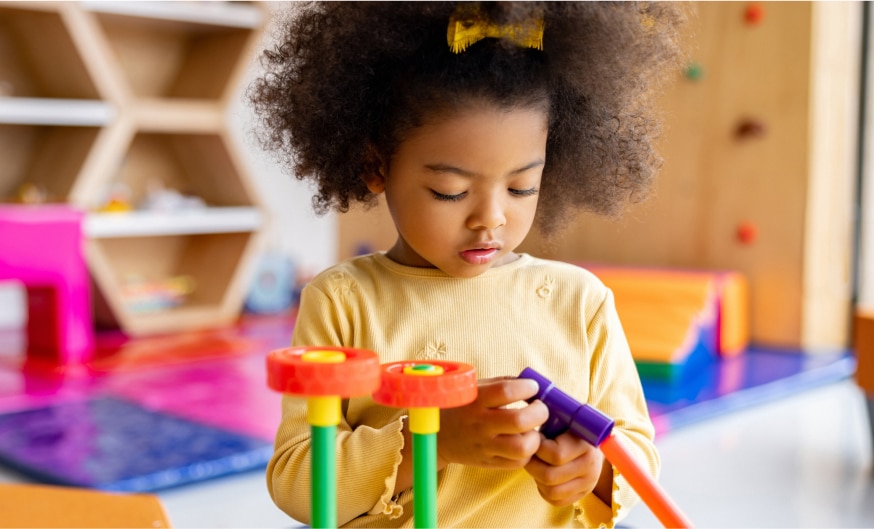
Social skills
Here are some common social differences that might be seen in children with autism:
If you notice these behaviors, it doesn’t necessarily mean your child has autism, but it can be helpful to speak with a healthcare provider to better understand your child’s needs. Early support can help them thrive!
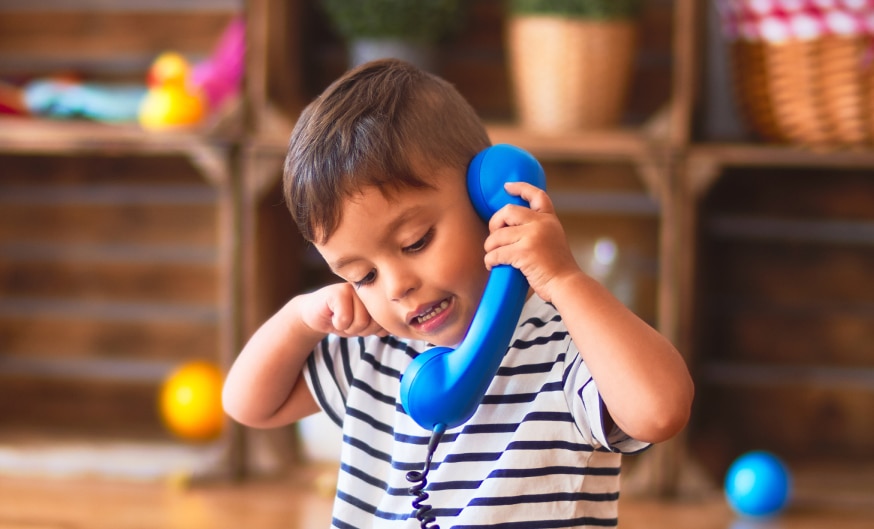
Language and communication
Some children with autism may experience differences in how they use and understand language. Here are a few things parents might notice:
Every child learns at their own pace, but if you’re concerned about your child’s language development, reaching out to a healthcare provider can help you better support them. Early intervention can make a big difference!

Behavior
Children with autism may show unique behaviors that set them apart from their peers. Here are some things you might notice:
If you see these behaviors in your child, it doesn’t mean something is wrong—it just means they might experience the world differently. Talking with a professional can help you find ways to support their unique needs.
There’s no need to panic
Learning that your child has been diagnosed with autism can feel overwhelming at first, but it’s important to remember this is just the beginning of a positive journey. Think of the diagnosis as a helpful first step toward understanding your child better and finding the right support for them.
Autism spectrum disorder (ASD) is unique to each child—just as every child is unique in their own way. A diagnosis doesn’t define your child; it’s simply a tool to help them grow and thrive.
Each child’s therapy plan is personalized to their unique needs and abilities, helping them learn and grow at their own pace. Applied Behavior Analysis (ABA) therapy can make a big difference in improving everyday skills and boosting confidence, helping children affected by autism thrive in their own way. ABA therapy is a widely used approach that helps children with autism build important skills in areas like communication, social interaction, and behavior. ABA therapy works by breaking down tasks into small, manageable steps and using positive reinforcement to encourage success.
Why is ABA therapy for children affected by autism so important?
ABA (Applied Behavior Analysis) therapy is important for children with autism because it provides a structured and personalized approach to help them develop essential skills for daily life. Through positive reinforcement and evidence-based techniques, ABA therapy helps children improve communication, social interaction, and problem-solving skills. It also addresses challenging behaviors by teaching alternative, more appropriate responses.
One of the key benefits of ABA therapy is its flexibility—it is tailored to each child’s unique needs and goals, making it effective for children across the autism spectrum. By fostering independence, building confidence, and enhancing the ability to navigate social and learning environments, ABA therapy empowers children with autism to thrive in their own way.
Frequently asked questions
What goals are part of ABA therapy?
In ABA therapy, goals are tailored to fit the unique needs and priorities of each family. After an initial assessment, your therapy team will work closely with you to identify the goals that matter most for your child and your family.
Common goals often focus on areas such as:
Reducing problem behaviors: Helping with challenges like tantrums, aggression, or difficulty following directions.
Building play skills: Teaching your child how to engage in age-appropriate, meaningful play.
Improving social skills: Encouraging positive interactions with peers and family members.
Developing communication: Supporting both expressive skills (what your child says) and receptive skills (understanding what others say).
These goals are designed to support your child’s growth and help them build the skills they need to thrive in their everyday life.
Why is parent training and engagement so important?
The rate of your child’s progress is directly proportional to the amount of time committed to therapy. In addition to the hours of service and treatment devoted to your child by the professional team, Behavior Analysts strongly encourage parent training in order to set up the family for success in providing for consistency outside of formal treatment sessions. Working together to provide for learning opportunities is key to successful outcomes.
How do I know when my child is making progress?
Progress can look different for every child, but you’ll start to notice it in meaningful ways. It might be a moment of connection, like when your child responds to you more clearly or shares a new skill they’ve learned.
You may also see progress in how your child interacts with the world—perhaps they’re more comfortable in social settings or have fewer tantrums. At home or school, daily routines might feel less stressful, and your child may handle challenges more calmly.
Progress happens at your child’s pace, just like their goals and supports are tailored to them. Celebrate every step forward, big or small, as your child continues to grow and thrive!
My child has just been diagnosed or is showing early symptoms of autism. What things can I do at home to help?
If your child has been diagnosed with autism or is showing early signs, there are many simple, supportive things you can do at home to help them grow and thrive. After an assessment by a Behavior Analyst, they’ll work with you to create a personalized home program.
Some helpful activities might include:
These tools can make a big difference in helping your child feel supported and confident in their everyday life. Remember, you’re not alone—there are resources and professionals to guide you every step of the way!
Care where you need it
Enter your address below and we’ll let you know if you’re
covered in our current service area.